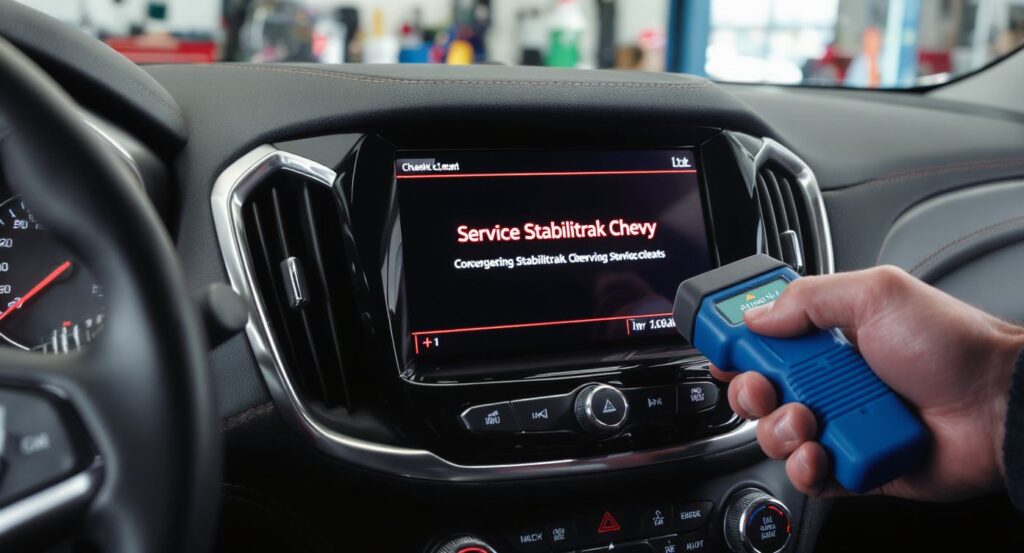
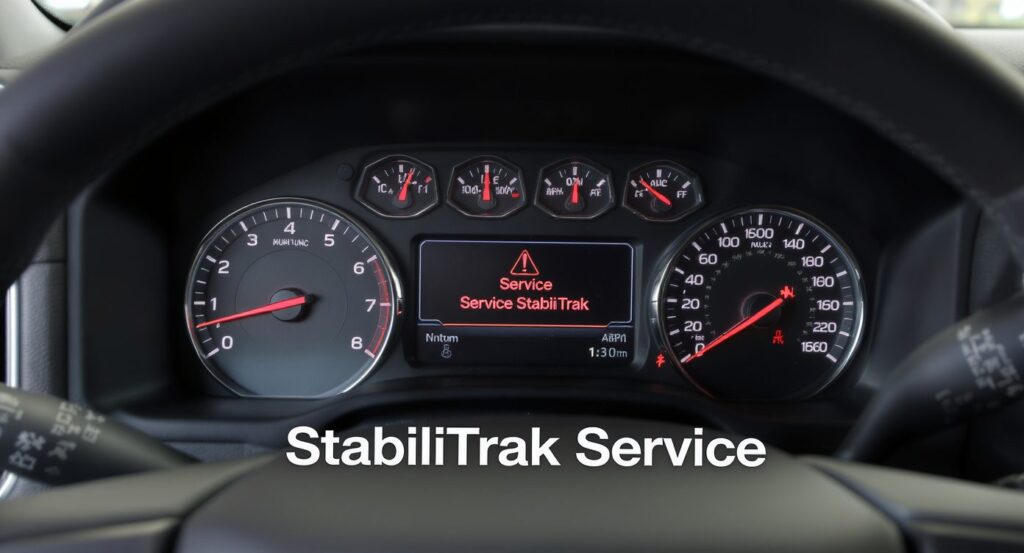
Hey there, if you’re like me and own a GM vehicle, you’ve probably come to appreciate the little things that keep your ride safe and steady on the road. But what happens when that “Service StabiliTrak” message flashes up? It’s one of those warnings that can turn a routine drive into a stressful situation. I remember the first time it happened to me in my old Chevy Tahoe – I was on a family road trip, and suddenly the truck felt a bit off. My heart skipped a beat thinking about the safety of everyone in the car. That’s why I’m sharing this guide on StabiliTrak service.
We’ll cover everything from what it means to how to handle repairs, all in a way that feels like we’re chatting over coffee. Whether you’re dealing with this issue right now or just want to be prepared, stick around for some practical advice that could save you time, money, and headaches.
StabiliTrak is GM’s name for its electronic stability control system, found in vehicles like Chevrolets, GMCs, and Cadillacs. It helps prevent skids and loss of control by adjusting brakes and engine power automatically. When the system detects a problem, it triggers the service light to alert you. Ignoring it isn’t smart – it could lead to reduced handling in slippery conditions or even engine power limitations. In this post, we’ll break down common causes, troubleshooting steps, and more, with a focus on making StabiliTrak service straightforward for everyday drivers.

Understanding StabiliTrak: What It Does and Why You Need It
Let’s start with the basics. StabiliTrak isn’t just another fancy feature; it’s a safety net that works behind the scenes to keep your vehicle stable. Imagine cruising on a wet highway or swerving to avoid an obstacle – that’s when StabiliTrak kicks in. It uses sensors to monitor wheel speed, steering angle, and vehicle yaw (that’s the side-to-side motion). If things start to go sideways, literally, it applies brakes to individual wheels or cuts engine power to help you regain control.
I once skidded on black ice during a winter drive in my Silverado, and StabiliTrak saved the day by correcting the slide before I even realized what was happening. Without it, who knows what could have occurred? But like any system, it needs regular attention. StabiliTrak service ensures all those sensors and components are functioning properly. Common vehicles affected include the Chevy Tahoe, GMC Sierra, Cadillac Escalade, and many others from the mid-2000s onward.
The system integrates with traction control and ABS brakes, creating a comprehensive safety package. When the “Service StabiliTrak” light comes on, it often means one of these interconnected parts is faulty. From my experience chatting with other GM owners at auto shops, issues can stem from something as simple as a loose wire to more complex sensor failures. Understanding this setup helps you approach StabiliTrak service with confidence, knowing it’s about maintaining that crucial layer of protection for you and your passengers.

Key Components of the StabiliTrak System
To get a handle on StabiliTrak service, it’s helpful to know the main parts involved:
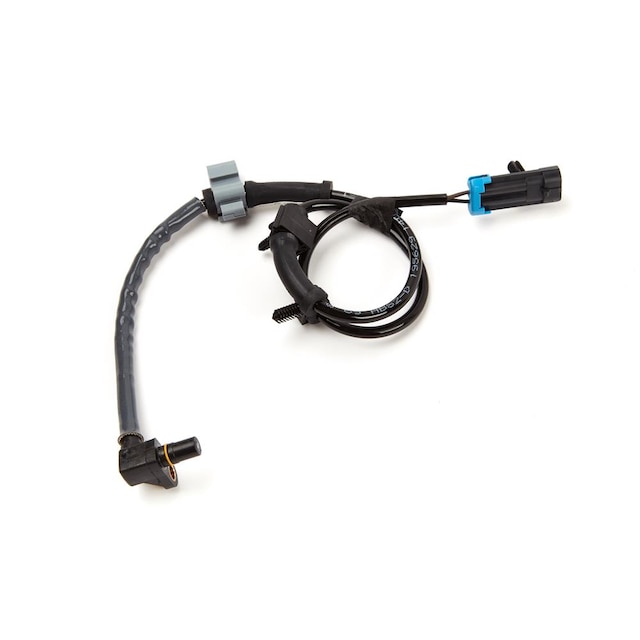
- Wheel Speed Sensors: These track how fast each wheel is spinning. If one wheel slips, the system adjusts accordingly. They’re prone to dirt buildup or damage from road debris.
- Steering Angle Sensor: Located in the steering column, it measures how far and fast you’re turning the wheel. A malfunction here can throw off the entire system.
- Yaw Rate Sensor: This detects the vehicle’s rotation around its vertical axis, helping prevent spins.
- Electronic Brake Control Module (EBCM): The brain that processes all the data and decides when to intervene.
When any of these fail, StabiliTrak service becomes necessary. I’ve seen friends ignore minor glitches, only to face bigger problems down the line. Regular checks can prevent that.
Spotting the Signs: When Your Vehicle Needs StabiliTrak Service
No one likes seeing dashboard lights, but the “Service StabiliTrak” warning is one you shouldn’t brush off. It often comes with other symptoms that make driving feel unsafe or unpredictable. For instance, you might notice reduced engine power, where the vehicle goes into “limp mode” to protect itself. This happened to me once during a commute – the truck wouldn’t accelerate past 40 mph, turning a quick errand into a slow crawl home.

Other telltale signs include the traction control light illuminating alongside it, unusual noises from the brakes, or the vehicle pulling to one side. In some cases, the ABS light joins the party, pointing to a shared issue in the braking system. If you’re experiencing shaky steering or difficulty maintaining control on turns, it’s time for StabiliTrak service. These problems don’t just affect performance; they compromise safety, especially in bad weather.
From what I’ve gathered from online forums and mechanic talks, early models like the 2007-2013 Chevys are particularly prone to these issues due to sensor wear. Don’t wait for a complete failure – addressing it early can keep minor glitches from becoming major repairs.
Common Causes of StabiliTrak Problems
Here’s a rundown of frequent culprits behind the need for StabiliTrak service:
- Faulty Wheel Speed Sensors: Dirt, corrosion, or physical damage can cause inaccurate readings.
- Steering Angle Sensor Issues: Often due to misalignment after suspension work or wear over time.
- Low Battery Voltage: A weak battery can trigger false warnings as the system requires stable power.
- Engine-Related Problems: Misfires or throttle issues can indirectly affect StabiliTrak.
- Wiring Harness Damage: Loose connections or chafed wires from road vibrations.
Recognizing these can help you pinpoint the problem faster.
How to Fix Service StabiliTrak: Step-by-Step Guide
Okay, let’s get to the meat of it – how to fix service StabiliTrak. If you’re handy with tools, some fixes are DIY-friendly, but others require a pro. Start by scanning for trouble codes using an OBD-II scanner. These codes, like C0110 or U0100, give clues about what’s wrong. I picked up a basic scanner for under $50, and it’s paid for itself multiple times.
One simple reset method: Turn off the engine, rotate the steering wheel fully left and right, wait 15 seconds, and restart. This recalibrates the steering angle sensor in many cases. Another trick is disconnecting the battery for 10-15 minutes to clear temporary glitches. But if the light returns, deeper investigation is needed.
For wheel speed sensors, inspect them for debris and clean with brake cleaner. If damaged, replacement is straightforward – jack up the vehicle, remove the wheel, and swap the sensor. Costs for parts are around $20-50 each. Remember, safety first; if you’re not comfortable, head to a shop.
DIY Troubleshooting for StabiliTrak Service
If you’re tackling this yourself, follow these steps:
- Check Battery and Connections: Ensure voltage is above 12.6V. Clean terminals if corroded.
- Inspect Tires: Uneven wear or low pressure can trigger the system. Inflate to specs.
- Scan Codes: Use a tool to read and clear codes. Research what they mean.
- Clean Sensors: Remove buildup from wheel speed sensors.
- Test Drive: After resets, drive carefully to see if the light stays off.
I tried this on my friend’s GMC Yukon, and a simple battery clean fixed it. But if codes point to engine issues, like spark plugs, address those too – fouled plugs are a common trigger.
When to Seek Professional Help for StabiliTrak Service
Not all fixes are DIY. If codes indicate a faulty EBCM or yaw sensor, pros have the tools to diagnose accurately. Dealerships or certified shops can recalibrate the system after repairs, which is key for proper function. Expect a diagnostic fee of $70-100, but it’s worth it to avoid guesswork.
In my experience, ignoring persistent issues led to a costly hub assembly replacement on one vehicle. Better to act sooner.
Breaking Down StabiliTrak Service Cost
Now, the part everyone worries about: StabiliTrak service cost. It varies based on the issue, but a typical repair ranges from $80 to $200 for minor fixes like sensor cleaning or resets. For sensor replacements, expect $200-500, including labor. More serious problems, such as steering system repairs, can hit $100-1,050, while brake-related fixes might be $115-1,500. Engine repairs linked to StabiliTrak could soar to $2,000 or more.
Factors affecting StabiliTrak service cost include your location, vehicle model, and whether you go to a dealer or independent shop. In my area, independents charge less but ensure they have GM-specific tools. Always get quotes upfront and check for warranties on parts.
To keep costs down, handle simple maintenance yourself and address warnings promptly. One buddy of mine delayed, and a $200 sensor fix turned into a $1,200 hub replacement due to further damage.
How to Service StabiliTrak: Maintenance Best Practices
Wondering how to service StabiliTrak to avoid issues altogether? It’s all about preventive care. Start with regular tire checks – maintain proper inflation and rotate every 5,000-8,000 miles. This ensures even wear, which the system relies on for accurate readings.
Keep your battery in top shape; test it annually and replace every 4-5 years. Clean sensor areas during oil changes to prevent buildup. After any suspension or alignment work, have the steering angle sensor recalibrated.
I make it a habit to inspect wiring under the vehicle for damage, especially after off-road trips. Also, avoid harsh driving that stresses the system. These steps have kept my current GMC free of StabiliTrak service needs for years.
For deeper service, follow your owner’s manual schedules. Include StabiliTrak checks in major services at 60,000 miles. It’s simple habits like these that extend the system’s life.
Preventive Tips to Avoid StabiliTrak Service
- Monitor fluid levels, as low brake fluid can affect the system.
- Clean wheel hubs and tone rings (the toothed wheels sensors read) from rust.
- Use quality parts for replacements to match GM specs.
- Drive smoothly in adverse conditions to reduce wear.
Following these, you’ll minimize the chances of needing unexpected StabiliTrak service.
Real Stories from the Road: Experiences with StabiliTrak Issues
To make this more relatable, let’s share some stories. Take my neighbor’s Cadillac SRX – the light came on after hitting a pothole. Turned out to be a loose wheel speed sensor; a quick tighten fixed it for free. Another time, a forum user described their Chevy Traverse struggling up hills with the warning. Cleaning the throttle body resolved it, saving a shop visit.
I had a scare with my Equinox when the light flashed during rain. It was low battery voltage from an old alternator. Replacing it not only cleared the StabiliTrak issue but improved overall performance. These tales show that while frustrating, most problems have straightforward solutions. They also highlight the emotional side – that worry about family safety or being stranded. Hearing others’ fixes builds confidence in handling your own StabiliTrak service.
Dealing with StabiliTrak service doesn’t have to be overwhelming. By understanding the system, spotting signs early, and knowing how to fix service StabiliTrak or when to seek help, you can keep your GM vehicle running safely. Remember the StabiliTrak service cost is often manageable if addressed promptly. And with regular maintenance on how to service StabiliTrak, you might avoid issues entirely. If your light’s on, grab that scanner or call a trusted mechanic. Safe driving out there – let’s keep those roads secure together.