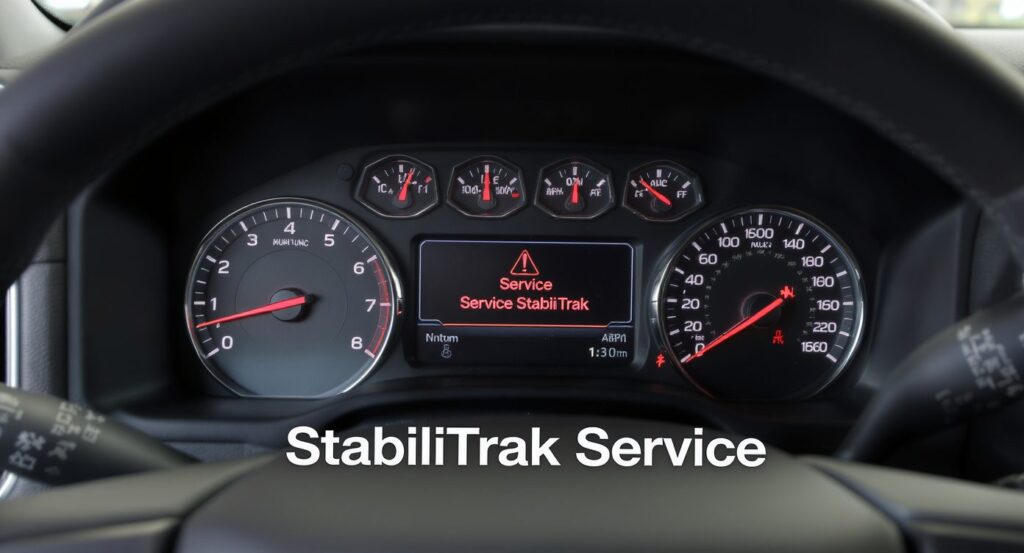

Hey, have you ever been cruising down the highway in your GMC Sierra or Yukon, feeling like everything’s under control, only to have that dreaded “service stabilitrak gmc” warning pop up on your dashboard? I know I have. It happened to me last winter during a family road trip. We were heading out to the mountains, truck loaded with gear, and suddenly the light flashed, accompanied by a chime that made my heart skip a beat.
The steering felt a bit off, and I pulled over, wondering what on earth was going on. Turns out, it’s a common issue for GMC owners, often tied to steering components or sensors. If you’re dealing with this right now, you’re not alone—I’ve been there, and I’m here to walk you through it like we’re chatting over coffee.
In this post, we’ll break down what the service stabilitrak gmc message really means, why it shows up, and how you can tackle it with a straightforward checklist and steering repair steps. Whether you’re a DIY enthusiast or just want to know what’s happening under the hood, this guide is for you. We’ll keep things practical, with tips drawn from real experiences and reliable sources, so you can get back on the road safely. Let’s get into it.
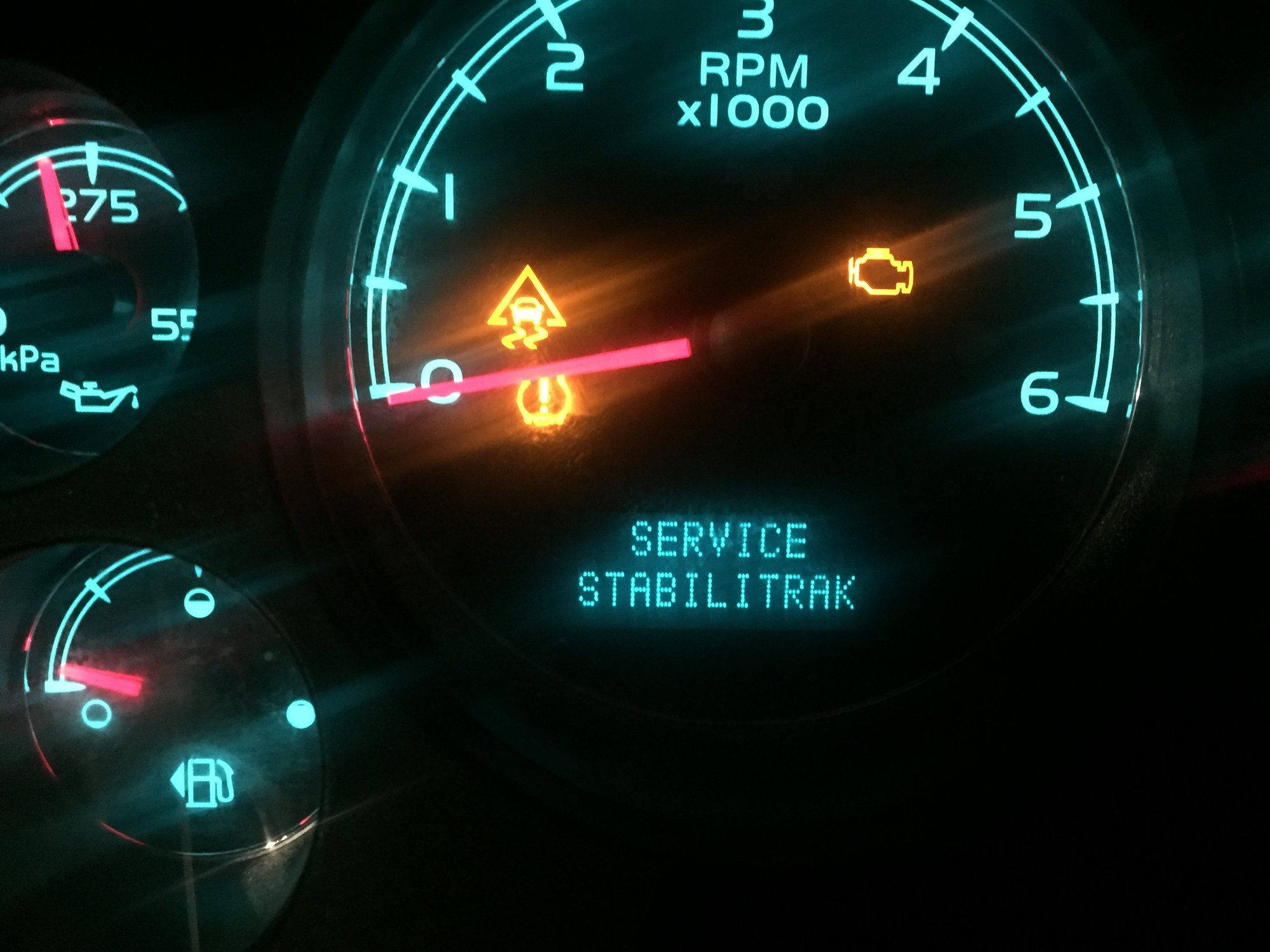 Understanding Service Stabilitrak GMC
First things first: what exactly is this system that’s causing all the fuss? Stabilitrak is GMC’s version of electronic stability control, a feature designed to keep your vehicle steady during tricky maneuvers. It uses sensors to monitor how your wheels are spinning, your steering input, and the direction your truck is heading. If things start to slip—like on icy roads or during a sharp turn—it kicks in by adjusting brake pressure or engine power to help you regain grip.
I recall a time when I was dodging potholes on a rainy backroad, and without Stabilitrak, I might have ended up in a ditch. But when the service stabilitrak gmc light comes on, it means the system has detected a fault and might not be working properly. This could affect your traction control and ABS brakes too, making handling less predictable. Ignoring it isn’t smart—it’s like driving without your safety net.
Common Triggers for the Service Stabilitrak GMC Warning
From my own run-ins and what I’ve gathered from other GMC drivers, the warning often stems from sensor glitches or electrical hiccups. For instance, faulty wheel speed sensors can confuse the system, thinking one wheel is slipping when it’s not. Or it could be a steering angle sensor that’s out of whack, especially if you’ve recently hit a curb or done some off-roading. Low battery voltage is another sneaky culprit; I once fixed a similar issue just by jumping the battery and letting it charge.
Other causes include dirty throttle bodies, bad wiring connections, or even issues with the ABS module. In one case I heard about, a driver found corrosion on the steering assist connector pulling on the wires, triggering the light. It’s frustrating because it can happen intermittently, like during low-speed turns or when shifting gears.
Identifying Service Stabilitrak GMC Problems Early
Spotting the signs before they escalate can save you a ton of hassle. Besides the obvious dashboard message, you might notice your truck jerking during turns, reduced power steering, or the traction control light joining the party. On my Sierra, it started with a subtle vibration in the steering wheel, then escalated to the full warning. If your GMC is stalling or shifting hard, that’s a red flag too.
To pinpoint the issue, start with a scan tool. Generic OBD-II scanners might not catch all the chassis codes (those start with C), so consider a more advanced one or a trip to the shop. Codes like C0455 or C0710 often point to steering position sensors or wheel speed problems. Don’t panic if no codes show up right away—sometimes they appear after a few drives.
 Service Stabilitrak GMC Checklist: Step-by-Step Diagnosis
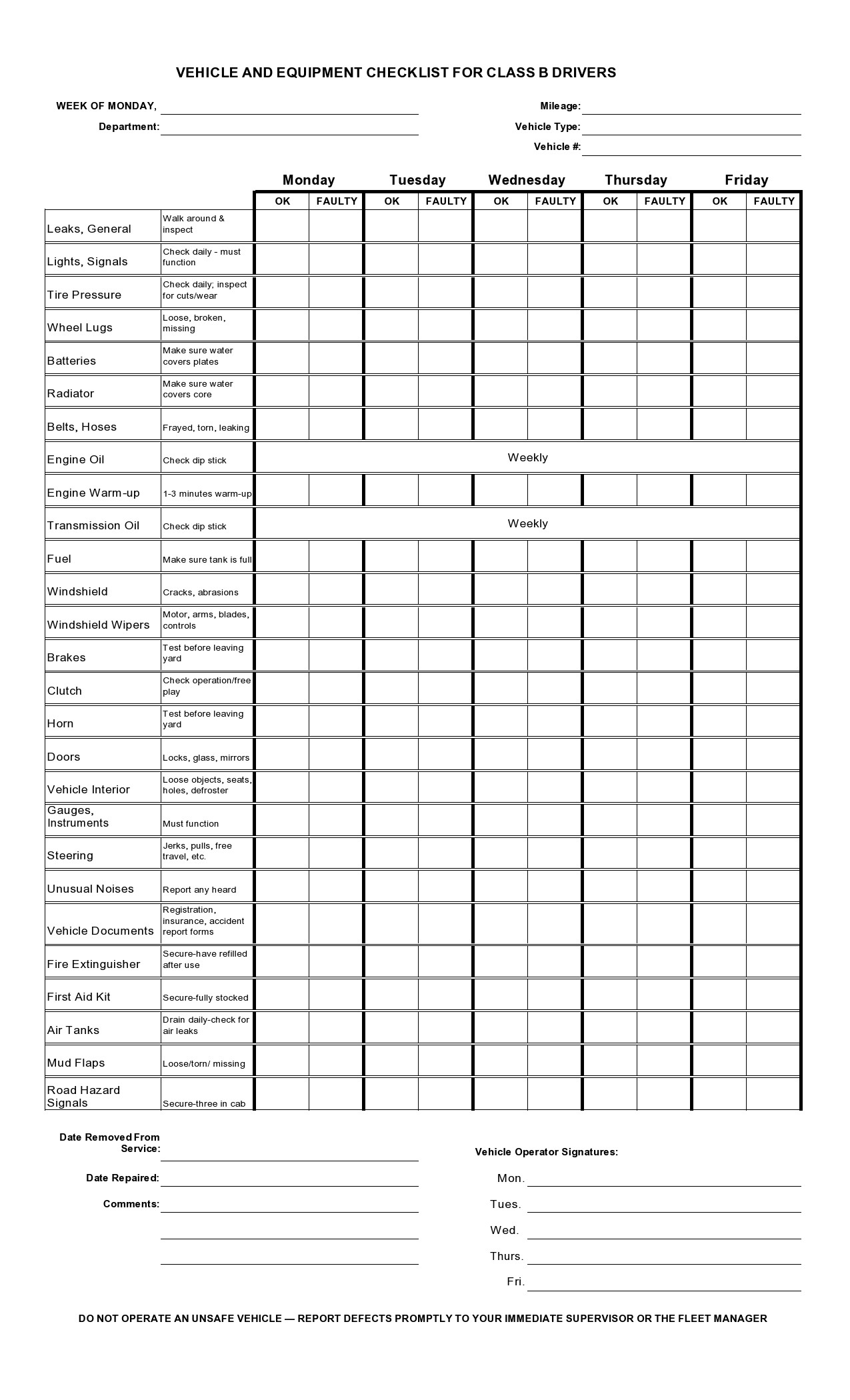
Okay, let’s get hands-on. This checklist is your first line of defense for diagnosing service stabilitrak gmc problems. I’ve used a similar one on my own truck, and it helped me avoid unnecessary trips to the mechanic. Go through these steps methodically, and note any findings.
- Check the Basics: Ensure your tires are properly inflated and not worn unevenly. Low tire pressure can mimic sensor issues. Also, inspect for any visible damage to wheels or brakes.
- Battery and Electrical Check: Test your battery voltage—it should be around 12.6 volts when off and 14 volts when running. Clean any corrosion on terminals. A weak battery often triggers false warnings.
- Sensor Inspection: Look at the wheel speed sensors near each hub. They’re prone to dirt and damage from road debris. Clean them gently with a rag and check wiring for frays.
- Steering Wheel Alignment Test: With the engine off, turn the wheel fully left and right. Listen for unusual noises or resistance. This can recalibrate minor glitches.
- Throttle Body Cleaning: Pop the hood and remove the air intake to access the throttle body. Spray it with cleaner and wipe away carbon buildup—I’ve seen this fix intermittent issues.
- Scan for Codes: Use an OBD-II scanner to pull any trouble codes. Common ones for service stabilitrak gmc include those related to yaw rate or steering angle sensors.
- Brake Fluid and ABS Check: Top off brake fluid if low, and ensure no leaks. Faulty ABS can tie into stabilitrak problems.
- Test Drive: After checks, take a short drive. Note if the light returns during turns or acceleration.
If you’re visual like me, here’s a quick table summarizing the checklist:
| Step | Action | What to Look For |
|---|---|---|
| 1 | Tire Inspection | Uneven wear, low pressure |
| 2 | Battery Test | Voltage below 12.6V |
| 3 | Sensor Cleaning | Dirt, damaged wires |
| 4 | Steering Turn | Noises or stiffness |
| 5 | Throttle Cleaning | Carbon deposits |
| 6 | Code Scanning | C-codes like C0455 |
| 7 | Fluid Check | Low brake fluid |
| 8 | Drive Test | Light recurrence |
This checklist has helped countless GMC owners, including a friend who avoided a $500 repair by just cleaning sensors.
Steering Repair Steps for Service Stabilitrak GMC
If your checklist points to steering-related issues, it’s time for repairs. Steering problems are frequent with service stabilitrak gmc warnings, often involving the angle sensor or position sensor. I’ll share the steps I followed when mine acted up, but remember: safety first. Work in a well-lit area, wear gloves, and disconnect the battery to avoid shocks.
Preparing for Repair
Gather tools: socket set, torque wrench, OBD scanner, replacement parts (like a steering angle sensor, around $50-100), and jack stands. Park on level ground, chock wheels, and disconnect the negative battery cable.
Step 1: Accessing the Steering Components
Lift the front of your GMC using a jack and secure with stands. Remove the wheel if needed for better access to hubs. Under the dash, locate the steering column— you’ll need to remove panels for sensor access.
Step 2: Replacing the Steering Angle Sensor
This sensor is often the villain. Remove the steering wheel airbag (carefully, as it’s explosive) using a Torx bit. Pull the wheel with a puller tool. The sensor is behind it; unplug wires, unscrew, and swap with the new one. Reassemble and torque to specs (usually 20-30 ft-lbs).
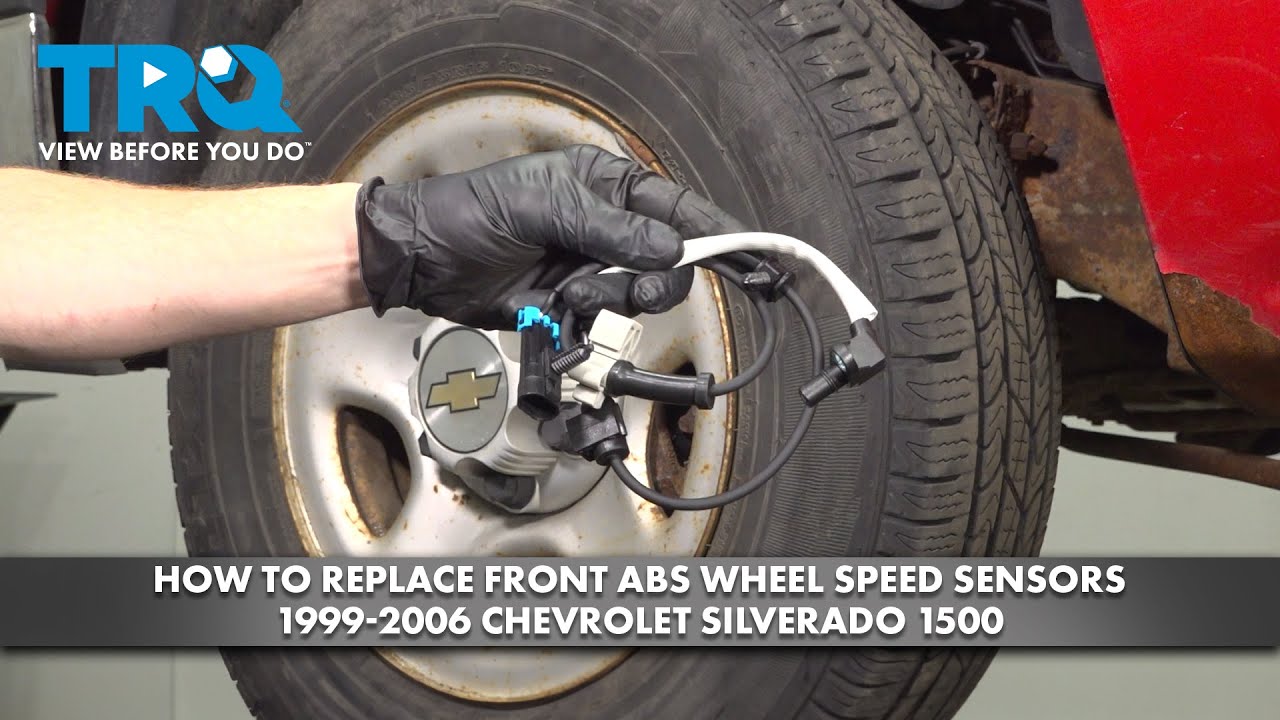
Step 3: Checking and Replacing Wheel Speed Sensors
These tie directly into stabilitrak. At each wheel hub, unplug the sensor connector, remove the mounting bolt (10mm usually), and pull out the old sensor. Clean the mounting hole, insert the new one, and reconnect. Test for continuity with a multimeter.
Step 4: Recalibrating the System
After repairs, reconnect the battery. Turn the ignition on without starting, and rotate the steering wheel lock-to-lock (full left to full right) a few times. This often resets the service stabilitrak gmc light. Start the engine and use your scanner to clear codes.
Step 5: Under-Hood Inspections
Pop the hood and check for loose connections near the ABS module or yaw sensor. In my experience, a quick wiggle test revealed a faulty hood-open sensor once, but for steering, focus on the power steering fluid and pump.
If the light persists, it might be a deeper issue like the control module. Total time for these steps? About 2-4 hours for a beginner.
When Service Stabilitrak GMC Needs Pro Attention
Not every fix is DIY-friendly. If you’ve gone through the checklist and repairs but the warning lingers, or if you see accompanying lights like ABS or check engine, head to a GMC service center. They have specialized tools for full diagnostics, which can take 1-5 hours. Costs vary—sensor replacements might run $200-500, but it’s worth it for peace of mind. I took mine in once, and they found a software glitch that a simple update fixed.
Keeping Your GMC Stable: Prevention Tips
Prevention beats cure every time. Regular maintenance like tire rotations every 5,000 miles and battery checks annually can ward off service stabilitrak gmc woes. Drive gently over rough terrain to protect sensors, and keep your throttle body clean every oil change. I make it a habit to scan for codes monthly, even if no lights are on—it caught a brewing issue early once.
Also, watch for recalls; GMC has issued some for stabilitrak-related parts. Staying proactive keeps your rides smooth and safe.
There you have it—a thorough rundown on handling service stabilitrak gmc issues, from checklist to repairs. Remember that trip I mentioned? After fixing the sensor myself, we made it to the mountains without a hitch, creating memories instead of breakdowns. If this guide helps you the same way, that’s what it’s all about. Got questions or your own story? Drop a comment below—let’s keep the conversation going. Safe driving!