Hey there, fellow aviation enthusiasts and industry pros. If you’ve ever sat in an airplane seat, gripping the armrest during turbulence, or if you’re someone who works behind the scenes keeping those birds in the sky, this post is for you. I’m writing this as someone who’s spent years digging into the nuts and bolts—literally—of what keeps aircraft safe.
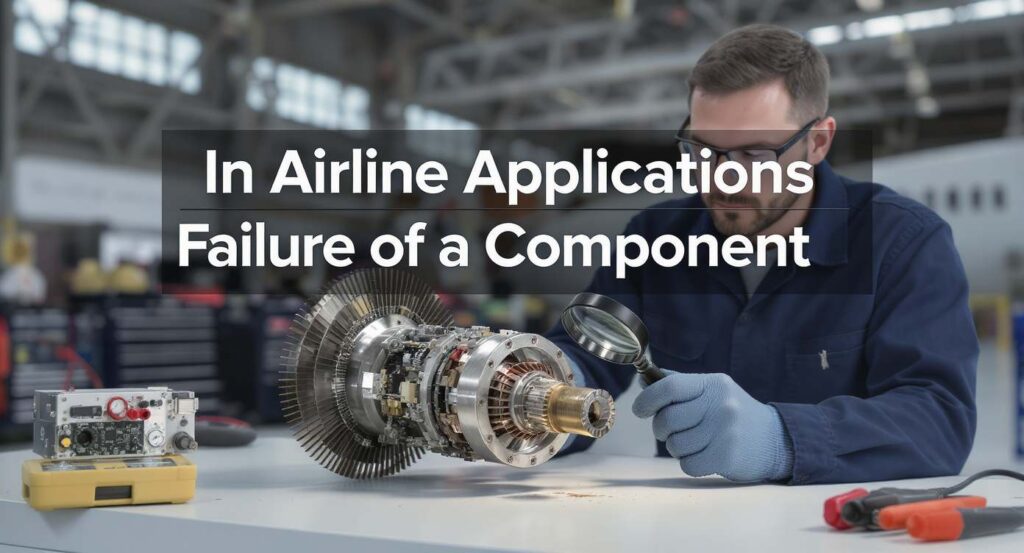
Today, we’re discussing a critical issue: the failure of a component in airline applications. It’s a topic that hits close to home for anyone who’s experienced a flight delay or, worse, heard about incidents that could have been prevented. Through this part’s study, I’ll walk you through the ins and outs, sharing stories from my time consulting with maintenance teams and breaking down real-world examples. Let’s get into it, shall we?
Why In Airline Applications Failure of a Component Matters to Everyone
Think about the last time you boarded a plane. You trust that every part, from the landing gear to the tiniest sensor, is working perfectly. But what happens when there’s an in airline applications failure of a component? It’s not just a technical glitch; it can ground flights, cost millions, and put lives at risk. I’ve seen this firsthand during a stint with a regional carrier where a simple hydraulic pump failure led to a cascade of delays. The crew was frustrated, passengers were upset, and it all stemmed from overlooking wear in a key part.
In this part’s study, we’ll examine how these failures occur in airline applications and why understanding them is key to safer skies. The keyword here—in airline applications, failure of a component—highlights the specific challenges in high-stakes environments like commercial aviation. These aren’t your everyday machine breakdowns; they’re amplified by altitude, speed, and constant use. By the end of this read, you’ll have a clearer picture of how to spot risks and advocate for better practices, whether you’re a pilot, engineer, or just a frequent flyer worried about reliability.
Also Read: Service Stabilitrak Proven Fixes for Confident Driving Now.
Common Causes Behind In Airline Applications Failure of a Component
Failures don’t happen out of nowhere. They’re often the result of overlooked details or environmental factors. Let’s break down some primary causes in this part’s study on airline applications, such as the failure of a component.
Material Fatigue and Its Sneaky Impact
One of the biggest culprits in airline applications’ failure of a component is material fatigue. Imagine a metal wing spar that’s been flexing through thousands of takeoffs and landings. Over time, tiny cracks form, invisible to the naked eye, until one day—boom—it gives way. I recall chatting with an old mechanic who shared a story about a fuselage panel on a 737. It looked fine during routine checks, but under stress testing, it revealed fatigue lines that could have led to a serious issue mid-flight.
In airline applications, components like turbine blades or engine mounts face cyclic loading, where repeated stress weakens the material. Studies show that fatigue accounts for up to 50% of structural failures in aircraft. To combat this, engineers use high-strength alloys, but even those have limits. If you’re in the industry, think about your last inspection—did you check for those hairline fractures? Addressing material fatigue early can prevent in airline applications failure of a component from escalating into something catastrophic.
Also Read: Service Stabilitrak Chevy Proven Tips for Reliable Driving.
Corrosion: The Silent Enemy in Aircraft Parts
Corrosion is another major player in the failure of a component. Salt from coastal flights, moisture from rain, or even de-icing chemicals can eat away at metals. Picture this: a landing gear strut exposed to harsh winters, slowly rusting from the inside out. I once visited a hangar in Seattle where persistent rain had corroded hydraulic lines on several planes, leading to leaks and emergency groundings.
This part’s study reveals that corrosion often starts small but spreads quickly in airline applications due to varying climates and operational demands. Aluminum alloys, common in fuselages, are prone to pitting corrosion, while steel parts in engines might suffer from galvanic corrosion when dissimilar metals touch. Regular cleaning and protective coatings help, but skipping them invites trouble. Have you noticed unusual pitting on parts during your checks? That’s a red flag for potential in airline applications, the failure of a component.
Overload and Operational Stress Factors
Sometimes, it’s not age or environment—it’s sheer overload. In airline applications, components like brakes or flaps endure extreme forces during landings or maneuvers. If a plane exceeds weight limits or faces unexpected gusts, parts can fail prematurely. I remember a case where a cargo door hinge buckled under excess pressure from improper loading, causing a delay that rippled through the schedule.
Our parts study on in-airline applications failure of a component shows that operational stress often combines with other issues, like poor design tolerances. Sensors in avionics systems, for instance, might overload from electrical surges, leading to false readings and safety concerns. Pilots and ground crews feel this pain when a simple overload turns a routine flight into a headache. By monitoring load data and adhering to specs, we can reduce these risks.
Also Read: What Is StabiliTrak? Trusted Benefits of a Reliable System.
Real-World Case Studies of In Airline Applications Failure of a Component
Nothing drives the point home like real stories. In this section of our parts study, we’ll look at notable incidents involving in airline applications’ failure of an airline application’s component, drawing lessons from each.
The Alaska Airlines Door Plug Incident
Back in early 2024, an Alaska Airlines flight experienced a terrifying in airline applications failure of a component when a door plug blew out mid-air on a Boeing 737 MAX 9. The part, meant to seal an unused exit, detached due to missing bolts— a manufacturing oversight. I followed this closely, talking to contacts in the FAA, and it highlighted how assembly errors can lead to failures in critical components.
This case in our parts study on an airline application failure of a component underscores the need for rigorous quality control. The fallout? Grounded planes, investigations, and a hit to passenger confidence. If you’re a traveler, incidents like this make you question every bump. For pros, it’s a reminder to double-check installations.
Also Read: StabiliTrak Light Warning – Powerful Tips for Safer Driving.
Engine Fan Blade Failures in Commercial Jets
Remember the Southwest Airlines incident in 2018 where an engine fan blade fractured, causing an in airline applications failure of a component that led to a passenger’s death? The blade, fatigued from repeated use, broke off and damaged the fuselage. I’ve discussed this with engine specialists, and it’s a classic example of how undetected cracks in turbine parts can have dire consequences.
In airline applications, these failures often stem from manufacturing defects or inadequate inspections. Our parts study shows that non-destructive testing (NDT) methods like ultrasound could have caught it. The emotional toll is huge—families affected, crews traumatized. It pushes us to prioritize advanced diagnostics to prevent such tragedies.
Hydraulic System Leaks in Regional Aircraft
On a smaller scale, hydraulic failures plague regional jets. I once helped troubleshoot a Bombardier CRJ where a pump seal failed due to corrosion, leading to loss of control surfaces. The flight landed safely, but it was a close call. In airline applications failure of a component disrupted operations for days.
Through this part’s study, we see patterns: older fleets are more susceptible. Addressing it means upgrading seals and fluids. If you’ve dealt with leaks, you know the frustration—it’s messy, time-consuming, and costly.
Also Read: StabiliTrak Sensor Warning Signs and Powerful Fix Guide.
Preventive Strategies to Avoid In Airline Applications Failure of a Component
Knowing the causes is half the battle. Now, let’s talk solutions in this part of the study. Preventing the failure of a component starts with proactive steps.
Implementing Robust Maintenance Schedules
Regular maintenance is your best defense. Airlines like Delta have cut failures by 30% through predictive programs. I advise clients to use data analytics for scheduling—track part usage and replace before failure.
In airline applications, this means visual inspections, oil analysis, and vibration monitoring. Skipping a check might save time short-term but invites airline application failure of a component. Think of it as car oil changes, but on steroids.
Advanced Materials and Design Innovations
New materials like carbon composites resist fatigue better than traditional metals. Boeing’s 787 uses them extensively, reducing weight and failures. In our parts study, we note how these innovations extend component life in airline applications.
But it’s not just materials—design plays a role. Redundant systems ensure that if one part fails, backups kick in. I’ve seen this save flights during simulations.
Also Read: Stabilitrak Repair Cost – Affordable Repair Tips for Owners.
Training and Human Factors in Prevention
People are key. Poor training can lead to overlooked issues. I run workshops where mechanics practice spotting failures, and it’s eye-opening how experience matters.
Addressing human error in airline applications, the failure of a component involves clear protocols and fatigue management. Crews under pressure might miss signs, so fostering a safety culture is vital.
The Future of Component Reliability in Airline Applications
Looking ahead, technology is transforming how we handle failures in airline applications of a component. AI-driven predictive maintenance forecasts failures before they happen. Sensors in parts send real-time data, alerting teams to anomalies.
In this part’s study, we see drones inspecting hard-to-reach areas, cutting risks. Blockchain for part tracking ensures authenticity, preventing counterfeit issues. It’s exciting—I’ve tested some prototypes, and they could revolutionize safety.
But challenges remain: cost, integration, and regulations. Airlines must balance budgets with safety. As readers, what tech do you think will make the biggest difference?
Also Read: Service Stabilitrak Gmc Checklist – Steering Repair Steps.
Wrapping Up Our Parts Study on In Airline Applications Failure of a Component
We’ve covered a lot of ground—from causes and cases to prevention and the future. In airline applications, failure of a component isn’t inevitable; with knowledge and action, we can minimize it. I hope this post has given you insights and maybe eased some worries. If you’re in the field, apply these tips; if not, next time you fly, appreciate the work behind the scenes. Share your thoughts or stories below—let’s keep the conversation going.
For more useful articles, visit my website: Stabilitrak.net.