Hey there, fellow car enthusiast. Have you ever been cruising down the highway, feeling that smooth hum of your engine, and suddenly wondered what keeps everything running so flawlessly? I remember a road trip I took a few years back in my old Ford pickup. Halfway through, a weird rattle started under the hood, and before I knew it, I was pulled over on the side of the road, staring at a faulty part that could have been avoided with better quality components. That experience made me appreciate the unsung heroes behind the scenes—like automotive components holdings. They play a huge role in making sure our vehicles don’t let us down when we need them most.
In this post, we’re going to chat about automotive components holdings, breaking it down in a way that feels like we’re just two friends talking shop over coffee. We’ll cover its background, the parts it handles, why strong components lead to better cars, and even share some stories from my own garage mishaps. If you’ve ever dealt with a breakdown or just love tinkering with your ride, stick around. This is for you.
Understanding Automotive Components Holdings
Let’s start with the basics. Automotive components holdings isn’t just a fancy term—it’s a real player in the car world, tied closely to Ford Motor Company. Think of it as the backbone that supports the production of essential parts, ensuring everything from your steering wheel to your fuel tank works as it should.
History and Formation of Automotive Components Holdings
Picture this: back in 2005, Ford was facing some tough times with its suppliers. They decided to take control by creating automotive components holdings. This move involved transferring 17 factories and several other facilities from Visteon Corporation back to Ford’s management. It was a smart strategy to keep the supply chain steady while prepping those plants for future sales or changes. I can relate—I’ve had to jury-rig parts in my own car when supplies were short, and it’s no fun scrambling last minute.
Headquartered in Dearborn, Michigan, automotive components holdings started as a temporary setup but has left a lasting mark. Over the years, many of those plants have been sold off or repurposed. For example, the glass business went to Zeledyne in 2008, and other sites like the Sheldon Road Plant closed in 2014 after being sold to Detroit Thermal Systems. It’s like watching a family business evolve, shedding what doesn’t fit while keeping the core strong.
From my perspective, this history shows how automotive components holdings adapted to industry shifts. When I think about my first car, a beat-up sedan from the early 2000s, I bet some of its parts came from these very facilities. It makes you realize how interconnected everything is in the auto world.
Key Operations and Products in Automotive Components Holdings
Now, what does automotive components holdings actually do? They focus on manufacturing a range of parts that are crucial for vehicle assembly. We’re talking exterior lighting lamps, interior trims, fascias, fuel tanks, and steering components. They also handle climate control systems, air induction, and more. These aren’t just any parts—they’re built to Ford’s standards, ensuring reliability on the road.

One thing that stands out is their emphasis on quality. Plants like the Sandusky facility in Ohio produce lighting and fuel vapor systems, while others have specialized in powertrains or seating foam before being divested. As someone who’s replaced a faulty fuel tank in the dead of winter, I can tell you that having robust parts from automotive components holdings makes all the difference. No more leaks or breakdowns when you’re least expecting them.
Their operations have evolved, with some sites closing and others finding new owners. But the legacy? It’s in the cars we drive every day. Automotive components holdings.
The Role of Quality Parts in Vehicle Performance
Okay, let’s get real about why strong parts matter. You’ve probably had that moment where your car feels off—maybe the steering pulls a bit, or the brakes don’t bite like they used to. That’s often down to worn-out or subpar components. Automotive components holdings steps in here by providing parts that enhance performance and safety.
Why Strong Parts Lead to Better Cars
Strong parts aren’t just about durability; they’re about the whole driving experience. Take steering components from automotive components holdings—they ensure precise handling, which can be a lifesaver on twisty roads. Or consider fuel tanks: a well-made one prevents evaporation issues and keeps your efficiency high.
I once upgraded the lighting on my truck with aftermarket parts, but they faded fast. Switching to quality ones, similar to what automotive components holdings produces, transformed night drives. Brighter, longer-lasting, and safer. It’s these little things that add up to a better car overall.

And let’s address a common pain point: maintenance costs. Cheap parts might save money upfront, but they fail sooner, leading to bigger bills. Parts from automotive components holdings are designed for longevity, reducing those trips to the mechanic. Trust me, after dealing with a transmission slip that cost me a fortune, I learned to prioritize quality.
Case Studies: Real-World Benefits from Automotive Components Holdings
Think about Ford vehicles from the mid-2000s onward. Many relied on parts from automotive components holdings to maintain production lines without hiccups. One story that sticks with me is from a friend who works in auto repair. He swears by the interior parts from these holdings because they fit perfectly and hold up under daily use.
In another instance, the sale of the El Jarudo Plant to Cooper-Standard in 2007 ensured continued powertrain production without disrupting Ford’s supply. It’s like passing the baton in a relay race—smooth and efficient. If you’re a Ford owner, you’ve likely benefited from this without even knowing.
Innovations Driven by Automotive Components Holdings
Innovation is where automotive components holdings shines. They’ve been part of pushing boundaries in part design and manufacturing.
Advancements in Component Technology
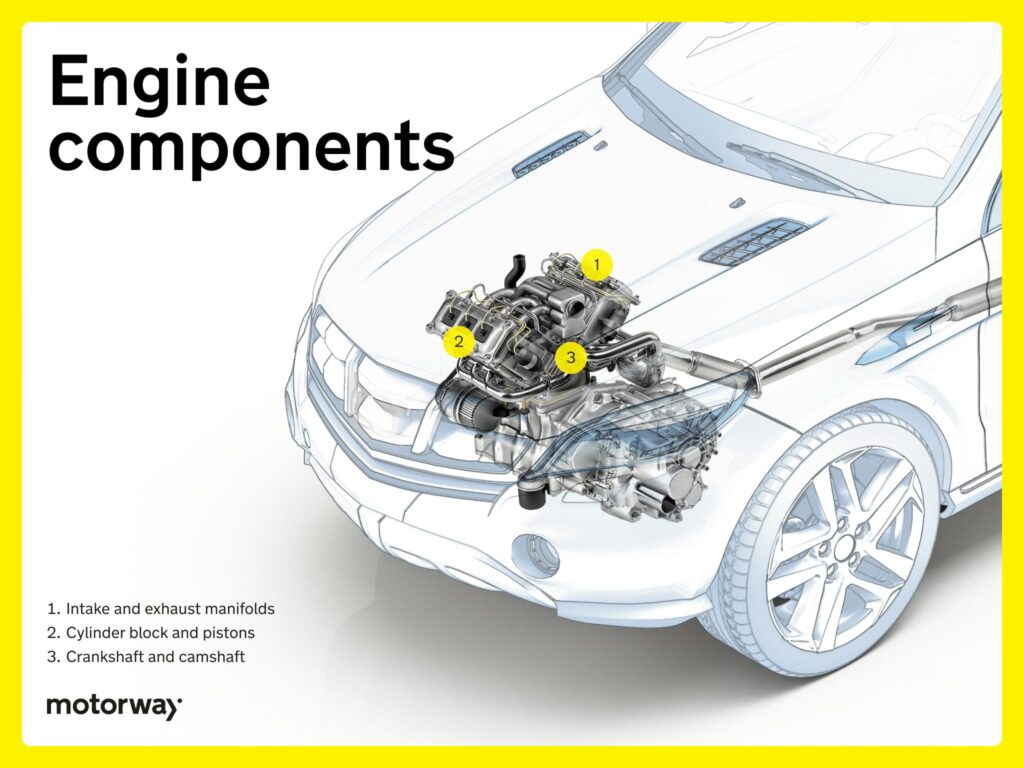 From climate control that keeps you comfortable in any weather to advanced lighting that improves visibility, automotive components holdings has contributed to tech leaps. Imagine driving through a storm with fogged windows—better systems prevent that.
Personally, I’ve seen how better air induction systems boost engine efficiency. In my garage experiments, swapping to high-quality ones added noticeable pep to the throttle. Automotive components holdings focuses on such details, making cars not just functional but enjoyable.
Sustainability Efforts in Automotive Components Holdings
Sustainability is big these days, and automotive components holdings has played a role in greener practices. By optimizing manufacturing, they’ve reduced waste in plants before sales. It’s heartening to see the industry move toward eco-friendly parts, addressing concerns like emissions that worry many drivers.
I try to choose sustainable options for my vehicles, and knowing automotive components holdings supported this transition makes me feel better about my choices.
Impact on the Automotive Industry
The ripple effects of automotive components holdings are huge. By stabilizing Ford’s supply during tough times, they helped the broader industry.
How Automotive Components Holdings Influences Supply Chains
Supply chain disruptions? Automotive components holdings mitigated those for Ford, ensuring steady part flow. This stability benefits everyone from manufacturers to end users like us.
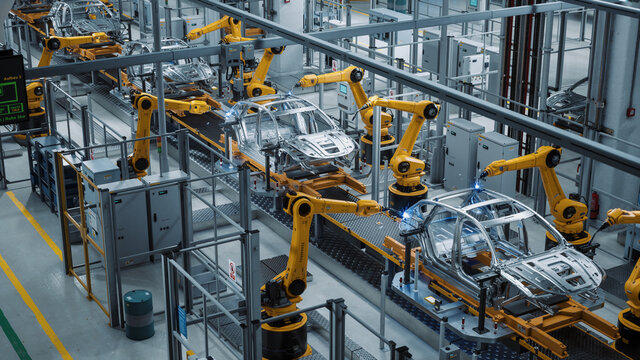
In my experience, reliable suppliers mean fewer delays in repairs. It’s frustrating waiting weeks for a part—automotive components holdings helped avoid that chaos.
Job Creation and Economic Contributions
Plants under automotive components holdings employed thousands, boosting local economies. Even as some closed, the transitions created opportunities elsewhere. It’s a reminder of how the auto sector supports communities.
The Future of Automotive Components Holdings
Looking ahead, automotive components holdings continues to evolve. With Ford’s focus on electric vehicles, remaining operations might pivot to new tech.
Emerging Trends and Adaptations
Electric components, smarter interiors—these could be next for automotive components holdings influences. As a driver eyeing an EV switch, I’m excited about parts that promise longer range and better safety.

Challenges like global supply issues persist, but the foundation from automotive components holdings sets a strong base.
Personal Reflections on the Road Ahead
Wrapping up, I think about how far we’ve come since that 2005 formation. Automotive components holdings has been key in building better cars. Whether you’re fixing up a classic or buying new, remember the parts that make it all possible.
Thanks for joining this chat. What’s your take on automotive components holdings? Share your stories below—I’d love to hear them. Drive safe out there.