
Hey there, fellow driver. Have you ever pulled up to a red light, only to feel your car rumbling like it’s got a mind of its own? That unsettling vibration under your seat can turn a simple stop into a moment of worry. I remember the first time it happened to me—sitting in my old sedan during rush hour, wondering if something was about to break down. If you’re dealing with a vehicle shakes while idling, you’re not alone. This issue pops up for countless people, and it often stems from straightforward problems that can be fixed without too much hassle.
In this post, we’ll break down the critical causes behind why your car shakes when idle, answer questions like “why does my car shake when idle,” and walk through practical fixes to get you back on the road smoothly.
As someone who’s tinkered with cars for years and helped friends troubleshoot their rides, I know how frustrating car shaking when idle can be. It’s not just annoying; it can signal bigger issues if ignored. We’ll cover everything from diagnosing car vibrates when idle to preventive steps, all in a way that feels like we’re chatting over coffee. Let’s get into it.
Understanding Vehicle Shakes While Idling
First off, what exactly is happening when your vehicle shakes while idling? Idling means your engine is running but the car isn’t moving—think stopped at a traffic light or warming up in the driveway. A smooth idle should feel steady, with minimal vibrations. But if there’s noticeable shaking, it’s like your car’s sending an SOS.
From my experience, this shaking often feels like a rhythmic pulse or an uneven tremor. It might worsen when you turn on the AC or if the engine’s cold. One time, a buddy of mine described his truck’s idle as “like sitting on a washing machine during spin cycle.” Sound familiar? This isn’t normal, and ignoring it could lead to costlier repairs down the line.
Why focus on this? Because vehicle shakes while idling affect safety and comfort. A shaky idle might point to engine imbalances that could cause stalling or reduced performance. Plus, it’s a common search query—folks typing in “car shakes when idle” or “why does my car shake when idle” are usually stressed and looking for quick insights. We’ll address those head-on.
Signs to Watch For
Not all vibrations are the same. Pay attention to when the shaking starts. Does it happen only at idle, or does it persist while driving? Is there a check engine light? Accompanying noises like knocking or hissing can give clues. In my garage days, I’d always ask owners these questions to narrow things down fast.
If your car shaking when idle comes with rough acceleration or poor fuel economy, it’s time to investigate. And if it’s a car vibrates when idle situation that feels like the whole vehicle is involved, not just the steering wheel, that broadens the potential causes.
Common Causes of Vehicle Shakes While Idling
Now, let’s dig into the reasons behind vehicle shakes while idling. There are several culprits, ranging from simple wear-and-tear to more complex mechanical failures. I’ll share stories from real-life fixes to make this relatable.
Engine Misfires: A Top Offender
One of the most frequent causes is an engine misfire. This happens when one or more cylinders don’t fire properly, disrupting the engine’s rhythm. Imagine your engine as a team of pistons working in sync— if one slacks off, the whole group stumbles.
I once had a client whose sedan would shake violently at stop signs. After checking, we found a misfire in cylinder three due to a faulty ignition coil. Replacing it smoothed things out instantly. If you’re asking “why does my car shake when idle,” a misfire could be it, especially in older vehicles or those with high mileage.
Symptoms include a rough idle, loss of power, and that telltale check engine light. Causes? Dirty fuel injectors, bad spark plugs, or even low compression. In humid climates, moisture can play a role too.
Worn-Out Spark Plugs and Wires
Speaking of spark plugs, these little guys are heroes in your engine. They ignite the fuel-air mixture, and when they wear out, your car shakes when idle like it’s protesting.
Picture this: You’re idling in traffic, and the vibration makes your coffee spill. That’s what happened to me in my first car—a beat-up hatchback with plugs that hadn’t been changed in years. Swapping them out was a game-changer, and it only took an afternoon.
If your vehicle shakes while idling and you haven’t serviced the plugs in over 30,000 miles, start there. Wires can fray too, leading to weak sparks and car shaking when idle.
Damaged Motor Mounts
Motor mounts are like shock absorbers for your engine—they hold it in place and dampen vibrations. When they crack or wear out, the engine shifts, causing noticeable shakes.
A neighbor of mine ignored this in his SUV, and it escalated to transmission issues. The fix? New mounts, which aren’t too pricey but require some lifting. If your car vibrates when idle and the shaking intensifies with gear shifts, mounts are likely suspects.
Other signs: Clunking sounds during acceleration or visible damage under the hood. In trucks or heavier vehicles, this is even more common due to extra weight.
Vacuum Leaks and Air Intake Problems
Your engine needs the right air-fuel mix to run smoothly. A vacuum leak—think cracked hoses or loose connections—lets extra air in, throwing off the balance and causing vehicle shakes while idling.
I recall helping a family member with their minivan; a simple hose replacement stopped the idle jitters. Listen for hissing under the hood or use soapy water to spot bubbles at connections.
Related issues include a dirty mass airflow sensor or clogged air filter, both easy to check and clean.
Fuel System Issues
Bad fuel pumps, clogged filters, or dirty injectors can starve the engine, leading to uneven operation. If your car shakes when idle after a fill-up, contaminated gas might be the issue.
One winter, my own vehicle started vibrating at lights after using cheap fuel—lesson learned. Regular fuel system cleanings can prevent this.
Exhaust System Problems
A blocked catalytic converter or damaged exhaust manifold can restrict flow, building pressure and causing shakes. This often comes with a sulfur smell or reduced power.
In urban areas with stop-and-go traffic, this builds up faster. A mechanic’s scan tool can confirm.
Transmission Troubles
For automatic transmissions, low fluid or worn torque converters can cause car vibrates when idle. Manuals might have clutch issues.
A friend with an older coupe fixed his by flushing the transmission fluid—simple but effective.
Tire and Wheel Imbalances
Though less common at idle, unbalanced tires or bent wheels can contribute, especially if vibrations start low and build.
Rotate and balance regularly to rule this out.
Battery or Alternator Failures
Weak electrical systems can affect idle control modules, leading to shakes. Dim lights or slow starts are clues.
I once traced a shaking issue to a dying battery—replacing it restored peace.
Diagnosing Vehicle Shakes While Idling
Ready to play detective? Diagnosing why your car shakes when idle doesn’t require fancy tools at first.
Step-by-Step Home Checks
Start with a visual inspection under the hood. Look for loose wires, cracked hoses, or oily residues. Feel the engine mounts for play.
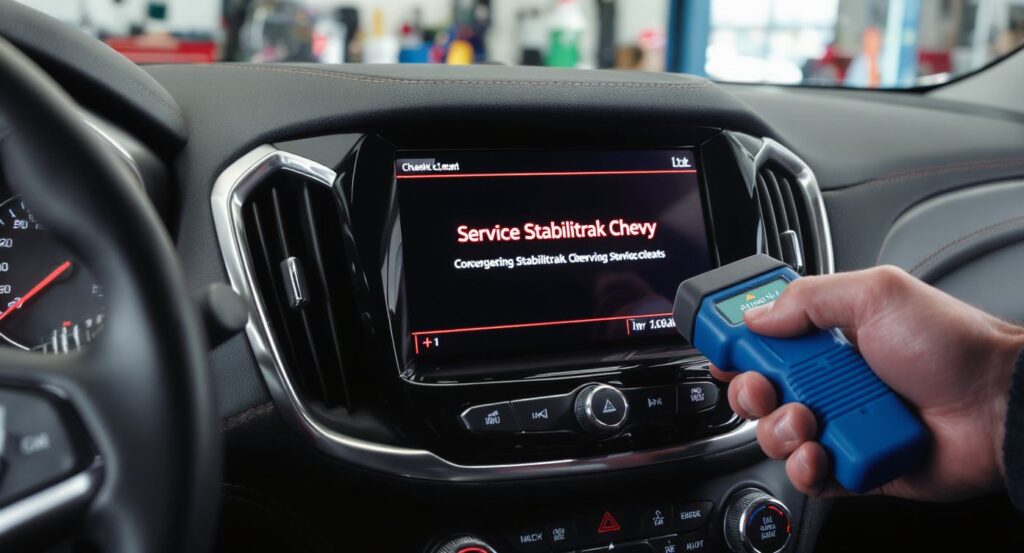
Next, check error codes with an OBD-II scanner—affordable ones are available online. Codes like P0300 (misfire) guide you.
Test drive: Note when shakes occur. Idle in park vs. drive can differentiate engine vs. transmission issues.
Tools You’ll Need
Basic toolkit: Screwdrivers, pliers, multimeter for electrical tests.
For deeper dives, a vacuum gauge or compression tester helps.
When DIY Isn’t Enough
If basics don’t reveal much, professional diagnostics are key. Mechanics use advanced scanners and experience to pinpoint issues fast.
Fixes for Vehicle Shakes While Idling
Once identified, fixes vary by cause.
Repairing Engine Misfires
Replace faulty coils, plugs, or injectors. Costs: $100-500 depending on parts.
Replacing Spark Plugs and Wires
DIY-friendly: Unscrew old ones, gap new plugs, install. Under $50 for basics.
Installing New Motor Mounts
Might need a jack; labor adds cost, but parts are $50-200 each.
Sealing Vacuum Leaks
Locate and replace hoses—cheap and quick.
Cleaning Fuel Systems
Additives work for mild issues; professional cleaning for severe.
Addressing Exhaust Blocks
Converter replacement is pricier, $500+, but necessary.
Transmission Maintenance
Fluid change: $100-200.
Balancing Tires
Shop service: $50-100.
Electrical Fixes
New battery: $100-200; alternator: More.
Always use quality parts for longevity.
When to Call a Professional
If shakes persist or you’re uncomfortable with mechanics, seek help. Early intervention saves money—ignoring could lead to engine damage.
Choose reputable shops with reviews. Ask for estimates.
Preventing Vehicle Shakes While Idling
Prevention beats cure. Regular maintenance: Oil changes, tune-ups every 30,000 miles.
Drive gently, use good fuel, keep tires balanced.
Monitor dashboard lights—don’t ignore them.
In my years of car ownership, sticking to a schedule has kept shakes at bay.
Wrapping Up Your Smooth Ride
Dealing with vehicle shakes while idling can feel overwhelming, but understanding causes like misfires or worn mounts empowers you. Whether it’s car shakes when idle from simple plugs or deeper issues, fixes are often straightforward.
Remember that time I spilled coffee? It led me to learn more about my car, and now I enjoy vibration-free drives. You can too. If your car shaking when idle or car vibrates when idle has you worried, start with basics and escalate as needed.
Safe travels—keep that engine purring.