Hey there, fellow driver. Remember that rainy afternoon when you’re cruising down a slick highway, and suddenly your car starts to slide just a bit? Heart races, hands grip the wheel tighter, and you wonder if you’ll make it through the curve safely. I’ve been there myself, back when I first got my Chevy truck a few years ago. It was during a storm on my way to pick up my kids from school, and that’s when I truly appreciated the tech keeping me steady.
That’s where StabiliTrak comes in – a system that’s saved countless folks from those scary moments. If you’ve ever typed “what is stabilitrak” into a search bar, you’re in the right place. We’re going to break it down together, like chatting over coffee, so you feel confident behind the wheel.
As someone who’s spent years writing about cars and helping people understand their vehicles, I know how confusing dashboard lights and tech terms can be. You might worry about safety on wet roads or what that warning message really signals. Trust me, I’ve felt that anxiety too, especially after a close call that made me question if my ride was up to the task. But StabiliTrak? It’s like having a silent guardian watching your every move.
In this post, we’ll cover everything from the basics of what is stabilitrak to its real-world perks, and even those pesky service alerts that pop up. By the end, you’ll see why this system earns its reputation for reliability, and maybe share a story or two of your own in the comments.
Let’s start with the fundamentals. StabiliTrak is GM’s take on electronic stability control, a feature that’s standard in many Chevy, GMC, and other General Motors vehicles. It kicked off back in the late ’90s, born from a partnership that aimed to make driving safer in tough conditions. Think of it as your car’s way of helping you stay on track when things get slippery or unpredictable. I’ve driven without it in older models, and let me tell you, the difference is night and day – no more white-knuckling through turns on icy mornings.
But why does this matter to you? Well, if you’re like me, juggling family trips, work commutes, and weekend adventures, peace of mind on the road is priceless. StabiliTrak steps in quietly, using sensors to monitor your steering and speed, then adjusts brakes or engine power to keep you stable. It’s not just tech jargon; it’s about getting home safe to the people who matter. Stick with me as we unpack this further – I promise it’ll feel like we’re figuring it out side by side.
Understanding What Is StabiliTrak
So, what is stabilitrak exactly? At its core, it’s an advanced safety feature designed to prevent your vehicle from skidding or losing control. GM introduced it as their branded version of electronic stability control, and it’s been a game-changer for drivers everywhere. When I first learned about it, I was skeptical – how could a computer know better than my own instincts? But after experiencing it in action during a sudden swerve to avoid a pothole, I became a believer.
The stabilitrak meaning boils down to stability and traction management. It works hand-in-hand with your anti-lock brakes and traction control, but goes a step further by addressing the vehicle’s overall direction. If your wheels start to slip on a wet leaf-covered road, for instance, StabiliTrak detects the mismatch between where you’re steering and where the car is actually going. It then intervenes to correct that path, often before you even notice the issue.
People often ask, what does stabilitrak mean in everyday terms? It’s like having an extra set of eyes on the road. In my old neighborhood, winters were brutal with black ice hiding around corners. One time, my neighbor spun out in his sedan without this system, ending up in a ditch. Meanwhile, my GM SUV with StabiliTrak handled the same spot without a hitch. Stories like that make me grateful for the engineering behind it.
To get more specific, StabiliTrak uses a network of sensors – wheel speed, steering angle, and lateral acceleration – to keep tabs on your drive. If something’s off, it selectively brakes individual wheels or reduces engine torque to bring things back in line. This isn’t just for extreme weather; it helps in everyday scenarios too, like quick lane changes on the highway.
If you’re new to GM vehicles, you might wonder about the stabilitrak mean in comparison to other brands. It’s similar to Toyota’s VSC or Ford’s AdvanceTrac, but tailored to GM’s lineup. The key is its integration with other systems, making it seamless. I’ve talked to mechanics who swear by its reliability, noting how it reduces accident risks significantly.
How StabiliTrak Works in Your Vehicle

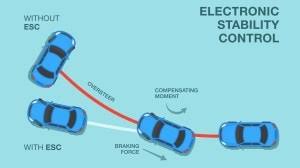
Ever curious about the magic happening under the hood? Let’s pull back the curtain on how StabiliTrak operates. Imagine you’re taking a sharp turn too fast – your car wants to understeer, pushing wide instead of following your input. StabiliTrak senses this through its steering angle sensor and compares it to the actual path via wheel speed sensors. If there’s a discrepancy, it applies brakes to the inner wheels, helping rotate the vehicle back on course.
In my experience, it’s most noticeable on gravel roads during family camping trips. Once, heading to a lake, the back end started to fishtail on loose dirt. I felt a subtle pulse in the brakes, and just like that, we straightened out. No drama, no sweat. That’s StabiliTrak at work, using the ABS module to modulate braking without you slamming the pedal.
The system also ties into the engine control unit. If oversteer happens – say, the rear slides out – it might cut power momentarily to regain grip. This all happens in milliseconds, faster than human reaction time. I remember reading studies showing these systems cut single-vehicle crashes by up to 50%, and after my own encounters, I buy it completely.
Visually, check out this diagram showing the key components. You see the control module as the brain, connected to sensors at each wheel and the steering column. It’s a symphony of tech ensuring your safety.
For those technical folks, StabiliTrak employs yaw rate sensors too, measuring how much the vehicle is rotating. If it doesn’t match your intended direction, corrections kick in. It’s brilliant, really, and has evolved over the years to be even more precise in newer models.
The Trusted Benefits of StabiliTrak
Now, let’s talk perks – the trusted benefits that make StabiliTrak worth raving about. First off, it boosts your confidence in bad weather. Rain, snow, or mud? This system helps maintain traction, reducing the chance of hydroplaning or spinning out. I live in an area with heavy snowfall, and StabiliTrak has turned potential disasters into minor blips.
Another big win is accident prevention. By keeping your vehicle stable, it lowers the risk of rollovers, especially in SUVs and trucks. Think about hauling a trailer – StabiliTrak adjusts for sway, making towing feel secure. My buddy, a contractor, swears it saved his load from jackknifing on a windy day.
It also enhances overall handling. Even on dry pavement, quick maneuvers become smoother. During a road trip last summer, I dodged a deer at highway speeds; StabiliTrak helped me stay in my lane without overcorrecting. That kind of reliability builds trust in your vehicle.
For families, the emotional side hits home. Knowing your loved ones are protected eases that constant worry. I’ve shared rides with my parents, and seeing their relief when we handle rough patches makes it all worthwhile.
Plus, it can save on repairs. By preventing skids, you avoid curb rash or worse. Mechanics tell me vehicles with active StabiliTrak see fewer alignment issues from hard impacts.
In terms of value, it’s a standard feature in many GM models, adding resale appeal. Buyers look for safety tech, and StabiliTrak delivers. From my chats with dealership folks, it’s a selling point that resonates.
What Does Service StabiliTrak Mean?

Ah, the dreaded dashboard message. What does service stabilitrak mean? It’s your vehicle’s way of saying something’s amiss with the system. Could be a sensor glitch, wiring problem, or even low brake fluid. When I saw it light up in my truck after hitting a deep pothole, my stomach dropped – but it turned out to be a simple wheel speed sensor fix.
Service stabilitrak meaning often points to issues like faulty throttle position sensors or ABS module troubles. Don’t panic; it’s not always major. What does stabilitrak mean in this context? The system self-diagnoses and alerts you to seek help before safety is compromised.
Many drivers search for service stabilitrak mean or stabilitrak service meaning when this happens. It indicates the feature might be partially disabled, so drive cautiously. In my case, a quick scan at the shop revealed a loose connection from road debris.
Common causes include bad wheel bearings or electrical faults. If you notice stabilitrak mean accompanied by other lights, like traction control, it’s time for a professional look. Ignoring it could lead to reduced stability in emergencies.
Service stabilitrak meaning can vary by model, but generally, it’s a call to action. I’ve helped friends troubleshoot this, and often, resetting by disconnecting the battery works temporarily, but always follow up with diagnostics.
StabiliTrak Off Meaning: When and Why It Happens
What about when it says StabiliTrak off? Stabilitrak off meaning usually means the system is manually deactivated or there’s a fault forcing it offline. You might turn it off for off-roading, where wheel spin is needed, but otherwise, keep it on.
In my off-road adventures, I’ve switched it off to climb muddy hills – the stabilitrak off meaning there is intentional for better control in low-traction fun. But if it turns off unexpectedly, check for underlying issues like those in the service message.
This alert reminds you that stability aids are inactive, so adjust your driving. It’s a safety net removed, heightening skid risks. Once, after a battery replacement, mine stayed off until a reset, highlighting how interconnected systems are.
Common Issues and How to Handle Them
Facing problems? Common ones include sensor failures from wear or contamination. Clean wheels regularly to prevent dirt buildup. If the light flickers, it might be intermittent wiring – get it inspected.
Low tire pressure can trigger false alerts, as it affects wheel speed readings. I learned this the hard way after a slow leak; inflating fixed it instantly.
For resets, turn the steering wheel fully left and right while idling, or use the dashboard button if available. But if it persists, visit a GM-certified tech. They’ve got the tools to read codes accurately.
Preventive maintenance helps: Regular brake checks and alignments keep everything aligned. From my years of ownership, staying proactive avoids bigger headaches.
Personal Experiences with StabiliTrak
Sharing a bit more personally – my first GM with StabiliTrak was a lifesaver during a family vacation. We hit a sudden downpour on mountain roads, and without it, who knows? It corrected a slide so smoothly, my wife barely noticed. Moments like that forge a bond with your vehicle.
Another time, teaching my teen to drive, StabiliTrak gave me extra reassurance. It caught her oversteer in a parking lot, turning a potential spin into a learning opportunity without fear.
Why StabiliTrak Matters for Everyday Drivers
For us regular folks, what is stabilitrak if not a tool for safer commutes? It addresses fears of losing control, especially with kids or elders aboard. In busy traffic or rural paths, that stability means fewer worries.
It fits modern life – longer drives, varying weather – making vehicles more forgiving. If safety tops your list, embracing this tech feels natural.
Frequently Asked Questions About StabiliTrak
You’ve made it this far, so I bet you have some lingering questions about this system. I’ve pulled together a list based on what folks often search for online – things like troubleshooting tips or compatibility concerns that go beyond the basics. These are fresh takes, drawn from real driver experiences and common queries, to help you feel more at ease with your GM ride. Let’s tackle them one by one, like we’re sorting through a puzzle together.
Is It Safe to Drive When the Service StabiliTrak Light Comes On?
Absolutely a top concern for many – I’ve seen this pop up in forums time and again. Yes, you can drive, but take it easy. The light means the system isn’t active, so your vehicle won’t automatically correct skids or slips. Think of it like going without your usual safety net on slippery roads. I once drove a short distance home with the light on after a sensor hiccup, but I kept speeds low and avoided highways. Head to a mechanic soon to scan for codes, as it could tie into brakes or steering.
Can StabiliTrak Be Turned Off Permanently?
This one comes up a lot for off-road enthusiasts or those tweaking their setup. No, you can’t disable it for good – it’s designed to reactivate automatically at certain speeds for safety reasons. There’s a button on most models to switch it off temporarily, handy for deep snow or mud where you want wheel spin. From what I’ve heard in truck owner groups, trying workarounds like fuse pulls can lead to other warnings or even void warranties. If it’s bugging you often, check for underlying faults instead.
What’s the Difference Between StabiliTrak and Basic Electronic Stability Control?
People compare this to other brands’ systems all the time. StabiliTrak builds on standard ESC by adding traction control elements, making it more proactive in managing wheel slip alongside stability. Basic ESC might just handle yaw and braking, but StabiliTrak integrates engine torque adjustments too. In my test drives of various makes, GM’s version feels more seamless in everyday handling, especially on uneven terrain. It’s GM-specific, so if you’re switching from a Ford or Toyota, expect a slight learning curve.
Does a Low Battery Trigger StabiliTrak Warnings?
Yes, and it’s more common than you’d think, especially in older vehicles. If your battery voltage drops below a certain level – say from a weak cell or corrosion – it can confuse the system’s electronics, throwing up alerts. I remember a winter when my battery was on its last legs, and the StabiliTrak light flickered during starts. A quick voltage test at an auto parts store confirmed it. Replace the battery if it’s over three years old, and clean terminals to prevent this headache.
How Does StabiliTrak Interact with All-Wheel Drive Systems?
A solid question for those in snowy regions. In AWD vehicles, StabiliTrak complements the drive system by fine-tuning power distribution and braking across all wheels. It doesn’t replace AWD but enhances it, helping prevent over- or understeer in turns. During a family trip in my AWD SUV, it kicked in subtly on a gravel path, working with the drivetrain to keep us steady. If your model has selectable modes, StabiliTrak adjusts accordingly for better grip.
What Should I Do If StabiliTrak Warnings Are Intermittent?
Intermittent lights drive owners nuts – one day fine, next day not. Often, it’s loose connections, like ground wires or harnesses under the dash. Check for corrosion or high resistance in spots like the driver’s side near the speaker. I’ve chatted with mechanics who say scanning for stored codes, even when the light’s off, reveals patterns. Drive normally but note when it happens – during turns, rain, or cold starts? That info helps pinpoint issues without guesswork.
Can Tire Pressure Affect StabiliTrak Performance?
Definitely – uneven or low pressure messes with wheel speed readings, tricking the system into thinking there’s a slip. Many searches link this to tire monitor alerts showing up alongside StabiliTrak ones. Keep tires at the recommended PSI; I make it a habit to check monthly after a flat once triggered false warnings. Proper inflation not only avoids lights but improves handling and gas mileage too.
How Much Might It Cost to Fix StabiliTrak Problems?
Costs vary, but expect $100-$300 for simple sensor replacements, up to $500+ if it’s the ABS module or wiring harness. Dealership diagnostics run about $100, though some shops offer free scans. In my experience helping a friend with a similar issue, a wheel speed sensor swap was under $200 parts and labor. Shop around certified GM techs for accurate quotes, and check if it’s under warranty – some extended plans cover this.
Does StabiliTrak Impact Transmission Shifting?
Sometimes, yes – if the system detects instability, it might limit power, causing hesitant shifts or jerking. This ties into engine control integration. Owners of models like the Silverado report this during warnings. If you’re feeling rough shifts with the light on, it could be related; a code scan separates it from pure transmission woes. Smooth driving helped me through a temporary glitch until I got it checked.
There you have it – straight answers to keep you informed without the fluff. If these spark more thoughts or you’ve dealt with one firsthand, drop a note below. Safe travels out there!